Ensuring Accountability: The Impact of Misused USAID Funds on NGOs and Trafficking Survivors
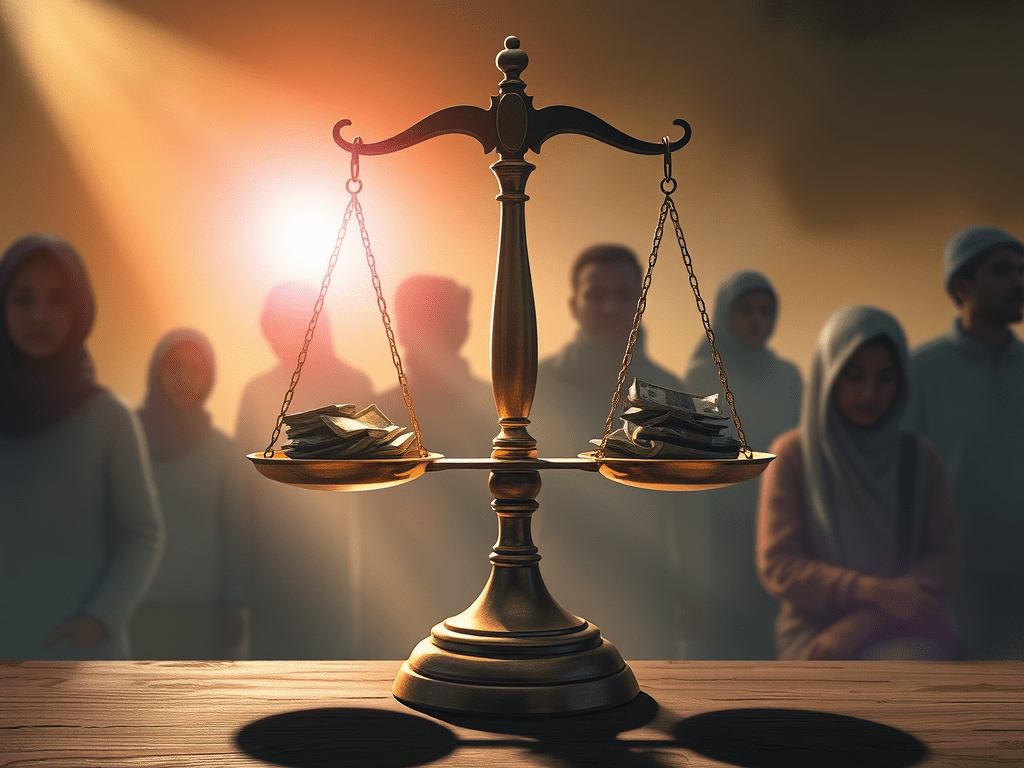
When humanitarian aid is mismanaged or misused, the consequences extend far beyond financial losses—they directly affect the lives of the most vulnerable. USAID, one of the largest global funders of nonprofit organizations, plays a crucial role in supporting NGOs that provide life-saving services, including those assisting survivors of human trafficking. However, cases of financial abuse and misallocation of funds have raised serious concerns about oversight and accountability. While fraudulent NGOs undermine trust in the aid system, ethical organizations working on the front lines continue to struggle for resources.
So who WAS abusing the system? This is proving to be a difficult question to answer, but it’s becoming more clear that the previous administration was wasting billions by sending money to organizations with less oversight, thus allowing funds to be sent almost anywhere with no real money trail to speak of.
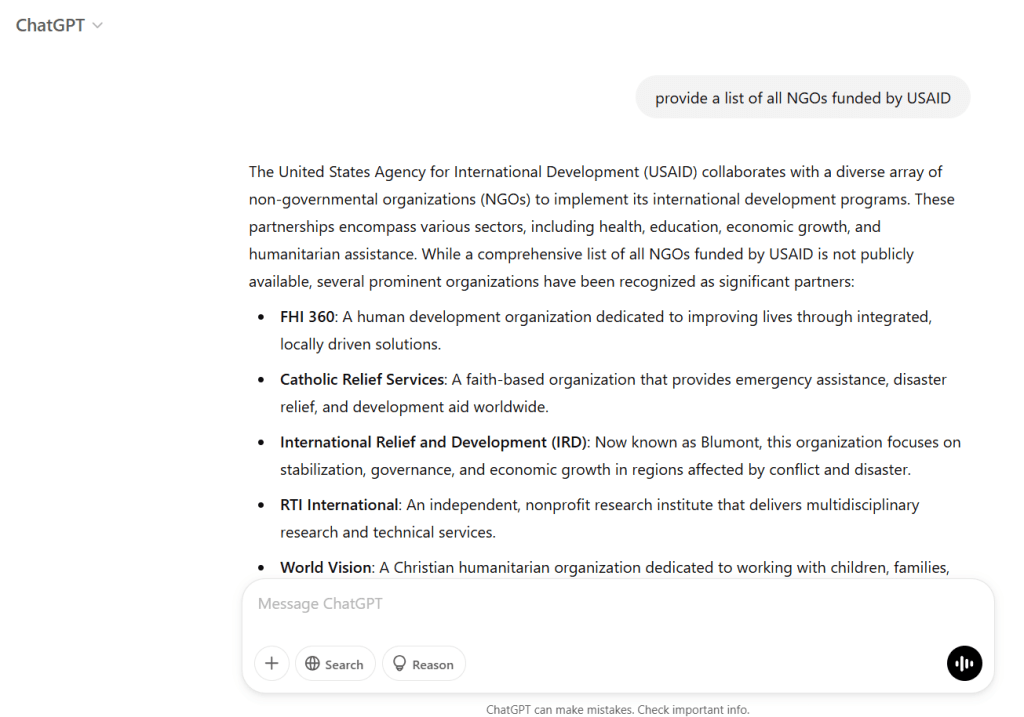
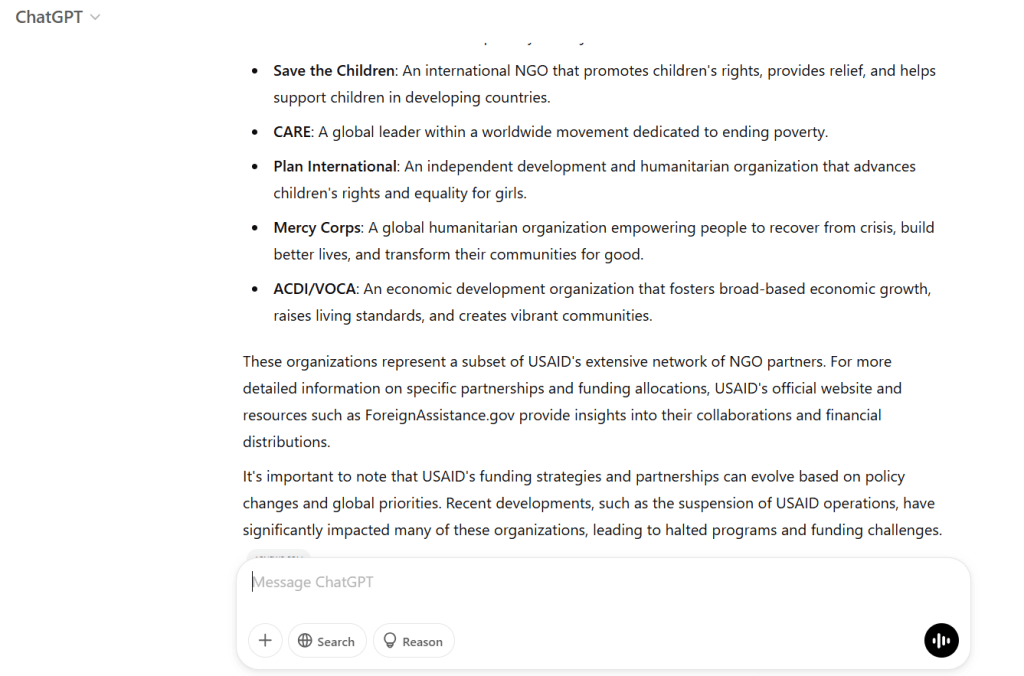
There are a few organizations we do know have received funding from USAID in the past, here’s a short list of some of their partners:
This begs the question, how long will it take to get to the center of this poisonous tootsie roll that has now infected the US economy on an historical level. And who will answer for that?
While this is impacting some Christian organizations as well, the fact remains that there has been extraordinary corruption at the highest levels, and the only way to correct it is to do due diligence and find out where our money has been going.
Potential Legal consequences
NGOs that misuse or abuse USAID funds face serious legal, financial, and reputational consequences. The implications can vary depending on the severity of the misuse, but generally include:
1. Legal Consequences
- Investigation and Audits: USAID’s Office of Inspector General (OIG) conducts investigations into suspected fraud, waste, or abuse.
- Criminal and Civil Penalties: NGOs found guilty of fraud or embezzlement can face criminal charges, fines, or imprisonment for responsible parties.
- Suspension or Debarment: Organizations involved in financial misconduct may be suspended or permanently barred from receiving future USAID or other U.S. government funding.
2. Financial Repercussions
- Loss of Current and Future Funding: NGOs caught misusing funds may have their grants or contracts terminated and be required to repay misused amounts.
- Fines and Penalties: Courts may impose significant fines in cases of fraud or financial mismanagement.
3. Reputational Damage
- Loss of Public Trust: Media exposure of financial misconduct can erode public and donor confidence.
- Difficulty in Securing Future Grants: Other donors, including international agencies and private foundations, may hesitate to fund NGOs with a history of financial abuse.
4. Operational Impact
- Program Shutdowns: If funding is cut, NGOs may be forced to halt projects, affecting beneficiaries and communities they serve.
- Leadership Changes: Organizations often face internal restructuring, leadership resignations, or board interventions following financial scandals.
5. Regulatory Compliance Measures
- Increased Oversight: NGOs that remain operational after an issue may be subject to stricter reporting requirements and oversight from USAID and other funders.
- Policy and Governance Reforms: To restore credibility, organizations may need to implement stronger financial controls and governance structures.
Holding NGOs Accountable While Supporting Ethical Organizations
The misuse of USAID funds by some NGOs underscores the need for transparency, accountability, and ethical financial stewardship in humanitarian work. While bad actors must be exposed and held accountable, it is equally important to recognize and support the organizations that are making a genuine impact. Many NGOs are providing critical, life-saving services to trafficking survivors—offering shelter, medical care, legal support, and pathways to recovery.
Now more than ever, these frontline organizations need our support. You can make a difference by advocating for stronger oversight, supporting organizations providing services and resources for victims, and spreading awareness about the fight against human trafficking. Let’s ensure that funding reaches those who are truly making a difference in the lives of survivors. Together, we can hold institutions accountable while empowering the real heroes working on the ground.
 KE Global Alliance