
Ever wonder why it seems like you pay so much money in taxes and see so little of your tax dollars at work?
There’s a few reasons, one of the biggest of which is the “tax gap”. This is the percentage of people that are not paying taxes at all, in most cases because they’re hiding their wealth, or because they are simply undocumented, and therefore, the government doesn’t tax them at all.
And it’s costing the US almost $700 billion a year.
Let’s look at this in numbers:
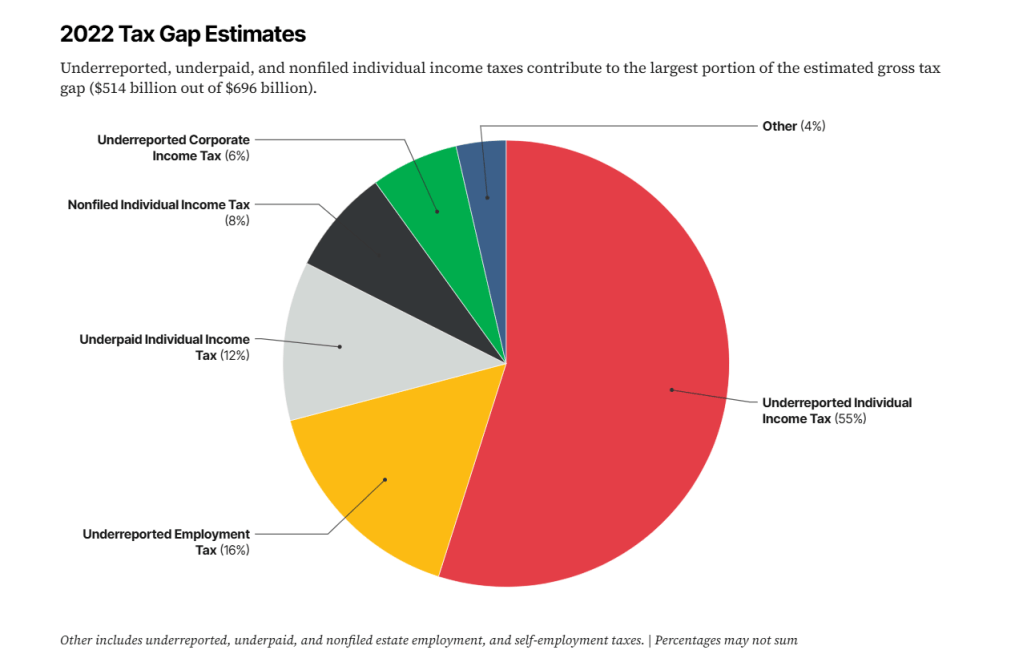
It’s theft at the highest levels, literally. The US citizens that do pay taxes are literally footing the bill for everyone else – to the tune of millions of dollars each year.
And yet, we aren’t even truly being represented by our government officials who are bought off by any number of lobbyists, special interest groups or other shadowy, anti-American entities.
It’s time we stop paying for their treasonous betrayal of We The People.
It’s time we take a stand and demand the laws be changed to ensure that every person in the country is not only documented but taxed accordingly.
You can make your own voice heard by contacting your representatives. Because the United States operates under a system of dual sovereignty, different bodies govern different aspects of this issue.
1. Federal Officials (For Immigration & Federal Income Tax)
Federal immigration laws, the issuance of ITINs, IRS tax policy, and federal enforcement are handled exclusively by the U.S. Congress.
- Your U.S. Senators: Each state has two senators who vote on federal tax bills, immigration reform, and IRS funding. You can find your specific senators and their contact portals via the U.S. Senate Directory.
- Your U.S. Representative: Members of the House of Representatives introduce all federal revenue-raising and tax bills. You can look up your local congressional district representative using your zip code at the U.S. House of Representatives Directory.
- The House Ways and Means Committee: This specific congressional committee writes federal tax law. Writing to the Committee Chair or its members directly addresses the lawmakers overseeing tax gaps and loopholes.
2. State Officials (For State Income Tax, Sales Tax, & Local Spending)
If your concerns are about how your specific state collects taxes or spends state funds on public services, you must contact your state-level lawmakers.
- Your State Legislators (Senators and Assemblymembers/Representatives): These individuals write the tax brackets and enforcement rules for your specific state. You can find your local state lawmakers through your state government’s official portal or via Open States.
- Your Governor: The governor signs or vetoes state tax legislation and directs the state’s Department of Revenue on how strictly to audit and enforce tax compliance.
3. Advocacy and Public Policy Groups
If you want to join ongoing efforts or review policy drafts regarding tax compliance, you can engage with organizations that actively lobby lawmakers on these topics:
- For stricter tax enforcement and immigration controls: Organizations like the Federation for American Immigration Reform (FAIR) regularly draft model legislation for lawmakers aiming to tighten tax requirements and reduce non-citizen spending.
- For tax data and structural analysis: The Institute on Taxation and Economic Policy (ITEP) provides data to lawmakers on both sides of the aisle regarding the exact dollar amounts generated or missed by various demographic groups.
These are just a few of the ways you can begin to bring much needed change to this broken system and reclaim some of that money for your own piggy bank.

